
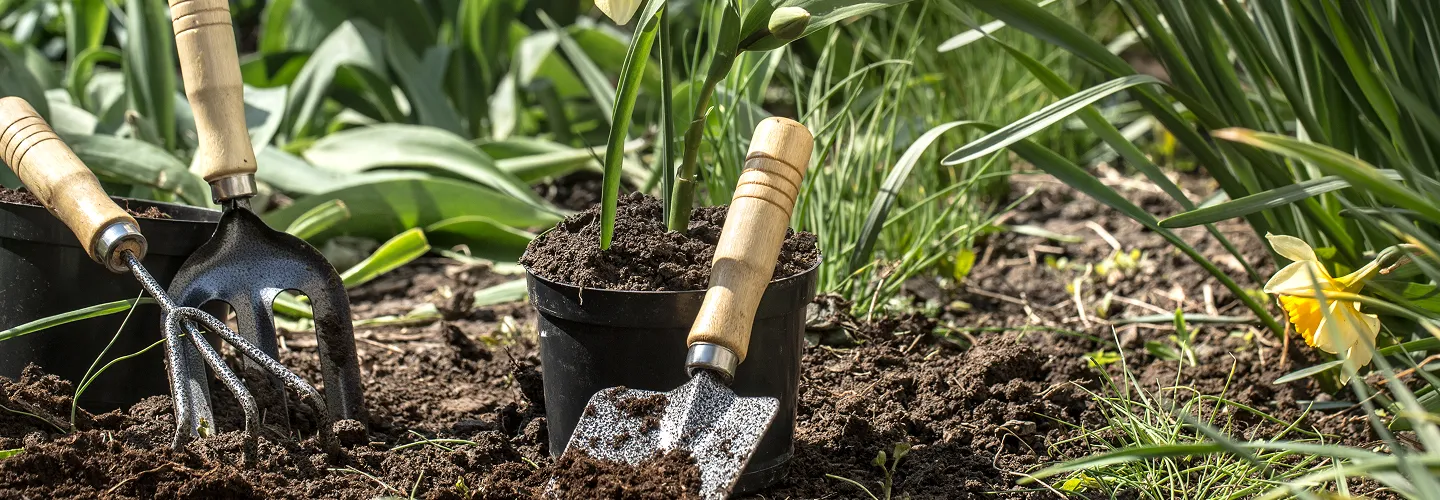
Taunton Green Waste Disposal Services
Choose our Green Waste Disposal for reliable, environmentally responsible service that keeps your property tidy and helps protect the planet. We make it easy to dispose of garden and yard waste sustainably, so you can enjoy a cleaner, greener community.
Get a Free QuoteOur Taunton Landscaping & Yard Care Services
When to Schedule Green Waste Disposal in Taunton, Massachusetts – Seasonal Guide
In Taunton, Massachusetts, the best times to schedule green waste disposal are closely tied to our region’s unique climate and landscape. Spring and late fall are typically optimal, as these periods coincide with major yard cleanups following winter storms and autumn leaf drop. Taunton’s last frost date usually falls in late April, making early May ideal for clearing out winter debris and preparing gardens in neighborhoods like Whittenton and Weir Village. Conversely, late October through November is perfect for disposing of fallen leaves and branches before the first hard freeze.
Local environmental factors such as the city’s moderate humidity, the prevalence of mature shade trees in areas like Oak Street and the terrain near Massasoit State Park all play a role in determining the best disposal schedule. Soil types in Taunton range from sandy loam to heavier clay, affecting how quickly organic material breaks down. Additionally, residents should be aware of municipal guidelines and seasonal restrictions, which can be found on the official city website, to ensure compliance and efficient service.
Local Factors to Consider for Green Waste Disposal in Taunton
- Tree density and species common to your neighborhood
- Proximity to wetlands or flood-prone areas
- Typical precipitation patterns and drought risk
- Shade coverage and undergrowth accumulation
- Soil type and drainage characteristics
- Municipal collection schedules and restrictions
Benefits of Green Waste Disposal in Taunton

Eco-Friendly Waste Management
Promotes Healthy Landscapes
Reduces Landfill Usage
Supports Local Recycling Efforts
Convenient Collection Services
Cost-Effective Landscaping Solutions

Taunton Green Waste Disposal Types

Grass Clippings
-
Tree Branches
-
Shrub Trimmings
-
Leaves
-
Weeds
-
Garden Plants
-
Hedge Cuttings
Our Green Waste Disposal Process
Collection of Green Waste
Sorting and Separation
Transport to Disposal Facility
Eco-Friendly Processing
Why Choose Taunton Landscape Services

Taunton Homeowners Trust Us
-
Comprehensive Lawn Maintenance
-
Reliable Seasonal Cleanups
-
Expert Tree and Shrub Care
-
Efficient Irrigation Solutions
-
Competitive Pricing
-
Professional and Courteous Team
-
Satisfaction Guarantee
Contact Taunton's Department of Public Works for Seasonal Green Waste Collection & Municipal Composting Programs
Taunton residents benefit from robust municipal green waste programs designed to support environmental stewardship and regulatory compliance. Seasonal curbside collection typically runs from April-November, with weekly neighborhood schedules and extended service during peak fall leaf drop. Place green waste curbside in biodegradable paper bags or loose piles, ensuring materials are set out away from storm drains and utilities. The city’s Transfer Station offers organic drop-off during posted hours, requiring resident permits and adherence to volume limits and preparation guidelines—only loose or paper-bagged material, no plastic per Massachusetts Department of Environmental Protection. Specialized pickups include brush/branches (4-foot lengths, 50-pound bundles), Christmas trees, and storm debris. Finished compost is available for community gardens and residents, with educational workshops supporting sustainable practices. For more information, contact:
Taunton Department of Public Works
90 Ingell Street, Taunton, MA 02780
Phone: (508) 821-1431
Website: https://www.taunton-ma.gov/279/Public-Works
Understanding Green Waste Volume & Decomposition Dynamics in Taunton's Glacial Till & Sandy Outwash Soils
Taunton’s landscape is shaped by glacial till, sandy outwash, rocky shallow soils, and marine clay, as detailed in the USDA Web Soil Survey. These soils influence drainage and decomposition rates, with glacial till and rocky areas slowing organic breakdown, especially in densely vegetated neighborhoods. The city’s tree canopy—dominated by oak, maple, birch, beech, and pine—produces significant seasonal green waste, particularly during the sequential fall leaf drop. Massachusetts’ climate, with its variable precipitation, freeze-thaw cycles, and Nor’easters, affects both the timing and volume of green waste, as well as collection logistics. Flood-prone and low-lying areas may experience rapid organic accumulation and slower decomposition, requiring careful management to prevent water quality impacts and maintain community aesthetics.
Taunton's Implementation of Massachusetts Organic Waste Management Requirements for Residents
Massachusetts mandates strict organic waste management to divert yard waste from landfills and protect environmental quality. Under Massachusetts Department of Environmental Protection (MassDEP) regulations, Taunton enforces alternative disposal requirements for yard waste, supporting landfill diversion goals. The city educates residents on proper sorting and preparation, and partners with regional composting facilities to process collected materials. Commercial entities, including landscapers and institutions, must comply with organic waste diversion standards. MassDEP oversees facility permitting, waste diversion tracking, and provides technical assistance to municipalities. Enforcement ensures compliance with state yard waste restrictions, and community composting initiatives are supported to further reduce landfill contributions and promote local soil health.
Proper Preparation & Sorting of Green Waste Materials for Taunton's Collection Programs
To ensure efficient collection and high-quality compost, residents must properly identify and prepare green waste. Acceptable materials include:
- Grass clippings (fresh or dried)
- Deciduous and evergreen leaves
- Garden debris (vegetable waste, flowers, pruned materials)
- Brush and branches (4-foot lengths, 50-pound bundles)
- Seasonal items (pumpkins, Christmas trees, holiday greenery)
- Hedge trimmings and weeds
Prohibited materials:
- Treated lumber, construction debris
- Diseased plants, invasive species (bittersweet, Japanese knotweed, multiflora rose, garlic mustard, buckthorn)
- Contaminated organics (paint, chemicals)
- Stumps, roots
Preparation steps:
- Separate from inorganic debris, remove plastic/wire
- Eliminate soil and stones
- Use biodegradable paper bags or natural twine for bundling
- Manage moisture to prevent mold
- For storm debris (Nor’easters, ice storms), separate organic from construction waste and coordinate with emergency management for safe collection
Taunton Conservation Commission Guidelines for Green Waste Management Near Protected Areas
The Taunton Conservation Commission enforces environmental protections under the Massachusetts Wetlands Protection Act (M.G.L. c. 131, § 40). Residents must observe buffer zones of 25-50+ feet near streams, rivers, wetlands, and vernal pools, limiting green waste placement to prevent nutrient runoff and habitat disruption. In conservation areas, natural leaf retention is encouraged for erosion control and wildlife shelter, especially during nesting (March-August) and vernal pool (March-June) seasons. Invasive species require special handling to prevent spread—coordinate with municipal programs for proper disposal. For guidance, contact:
Taunton Conservation Commission
15 Summer Street, Taunton, MA 02780
Phone: (508) 821-1095
Website: https://www.taunton-ma.gov/386/Conservation-Commission
Protecting Taunton's Water Quality Through Green Waste Management & MS4 Stormwater Compliance
Proper green waste management is essential for protecting Taunton’s water resources, including rivers, ponds, and downstream bays. Preventing nitrogen and phosphorus from entering waterways reduces the risk of oxygen depletion and harmful algae blooms. The city’s programs support soil health, carbon sequestration, and reduced landfill methane, aligning with local climate action goals. Finished compost is used for tree planting, park improvements, and community gardens. Compliance with MassDEP Stormwater Management Standards and Massachusetts Clean Waters Act (M.G.L. c. 21) ensures that organic matter does not enter storm drains (MS4), protecting receiving waters and supporting sustainable urban infrastructure.
On-Site Green Waste Management: Composting, Mulching & Sustainable Practices in Taunton
Residents are encouraged to manage green waste on-site through composting and mulching, reducing transportation impacts and supporting local soil health. Compost bins must be sited 10-20 feet from property lines and 50-100 feet from wells, with size and management practices designed to prevent odors, pests, and runoff. Effective composting in Massachusetts requires balancing carbon and nitrogen, managing moisture, and adjusting for seasonal conditions. Prohibited materials include meat, dairy, oils, pet waste, diseased plants, invasive species, and chemically treated materials. Sustainable alternatives include mulch-mowing leaves, naturalized garden areas, brush chipping, and rain garden integration. For composting guidance, consult UMass Extension.
What Neighborhoods Do We Serve Throughout Taunton, MA?
Taunton’s green waste programs serve diverse neighborhoods, each with unique landscape and environmental characteristics:
- Whittenton: Mature oak and maple canopy, large single-family lots, high fall leaf volume, proximity to Three Mile River floodplain
- Weir Village: Historic homes, narrow streets, shared multi-family yards, limited on-site composting, close to wetlands
- East Taunton: Newer developments, younger trees, sandy outwash soils, active gardening, storm debris vulnerability
- Oakland: Senior communities, support for yard waste handling, naturalized areas, moderate tree density
- City Center: Urban density, limited yard space, alley collection, infrastructure constraints, historic district composting restrictions
- Westville: Meadow and woodland edges, native plantings, Conservation Commission oversight, seasonal gardening traditions
- Britanniaville: Mixed property types, variable soil drainage, active community gardens, floodplain management
Taunton Municipal Ordinances for Green Waste Equipment Operation & Commercial Services
Taunton enforces municipal ordinances to ensure safe and compliant green waste management. Equipment operation is permitted weekdays 7:00 AM-7:00 PM, Saturdays 8:00 AM-6:00 PM, with Sunday restrictions—residents should verify local bylaws. Commercial haulers and landscapers must be licensed and registered with the city, following disposal regulations and right-of-way rules. Holiday schedules often follow Sunday restrictions. For questions about permits or enforcement, contact:
Taunton Building Department
15 Summer Street, Taunton, MA 02780
Phone: (508) 821-1015
Website: https://www.taunton-ma.gov/166/Building-Department
Taunton Parks, Recreation, Cemeteries, and Public Grounds
170 Harris Street, Taunton, MA 02780
Phone: (508) 821-1415
Website: https://www.taunton-ma.gov/259/Parks-Recreation-Cemeteries-Public-Groun
By following these guidelines and utilizing municipal resources, Taunton residents contribute to a cleaner, healthier, and more sustainable community.